How to Buy USD Coin (USDC) – Step-by-Step Guide (2026)
How to Buy USD Coin on Kraken

Create Your Free Kraken Account
Sign up at kraken.com by entering your email address and selecting your country of residence. Complete the identity verification (KYC) process by uploading a government-issued ID and a selfie. This typically takes a few minutes and unlocks full buying and trading access.
Step 2: Deposit Funds
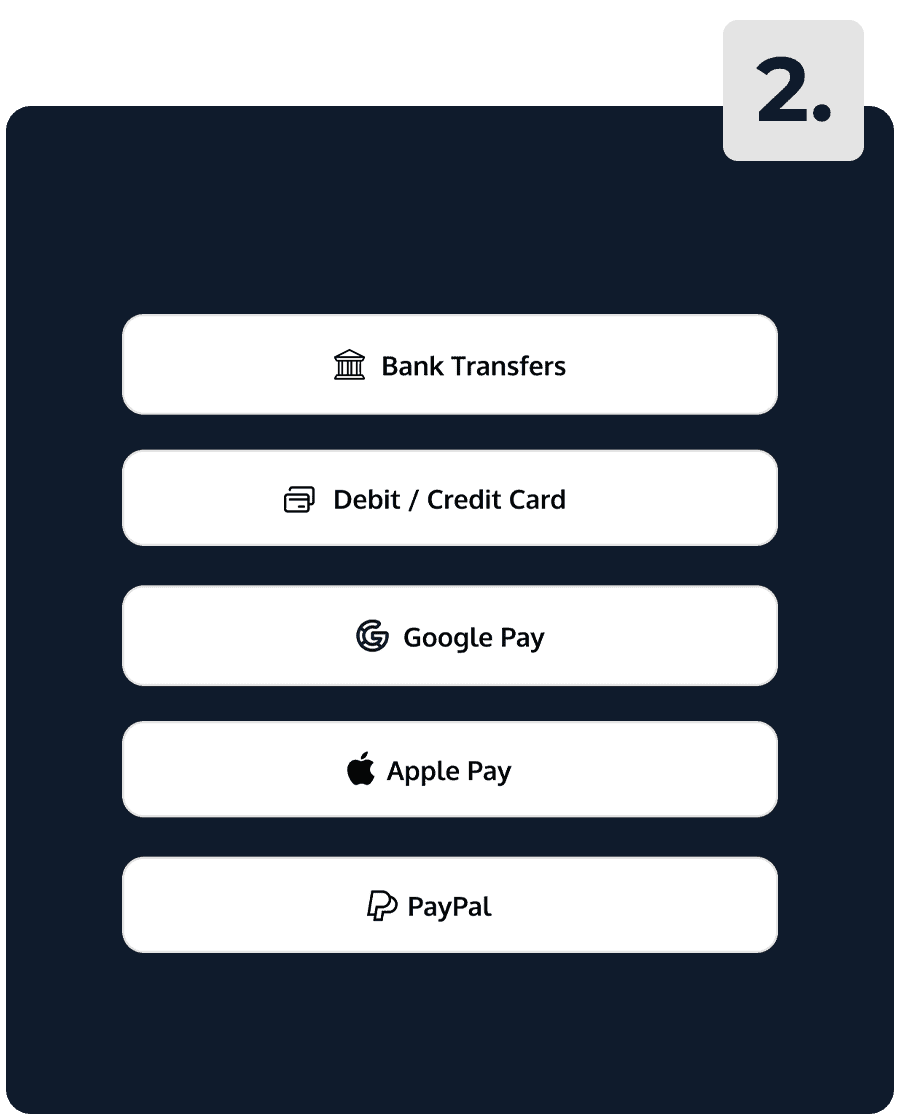
Add money to your Kraken account. US users can deposit via ACH (free, 1–3 days) or wire transfer. UK users can use Faster Payments (free, instant). EU users can use SEPA (free, same day). Debit/credit cards, Apple Pay, and Google Pay are also available for instant deposits.

Step 3: Go to “Buy Crypto”
Click “Buy Crypto” on the Kraken website or tap it in the mobile app. This opens the simple buying interface – no trading experience needed.

Step 4: Search for USD Coin (USDC)
Type “USD Coin” or “USDC” in the search bar and select it from the results. Choose the USDC/USD pair if you deposited US dollars, USDC/EUR for euros, or USDC/GBP for British pounds. Since USDC is pegged 1:1 to the dollar, you are essentially converting fiat into a digital dollar.

Step 5: Enter Your Purchase Amount
Enter how much you want to spend (minimum $10). Since USDC is designed to maintain a 1:1 peg with the US dollar, $100 buys you approximately 100 USDC minus any fees. On Coinbase, USD-to-USDC conversion is completely free – on Kraken, spot trading fees of 0.16%–0.26% apply.

Step 6: Review and Confirm Your Order
Check the total cost including fees. Kraken shows the full breakdown before you confirm. Once you click “Buy,” the USDC is added to your Kraken account instantly.
Step 7: Use or Store Your USDC
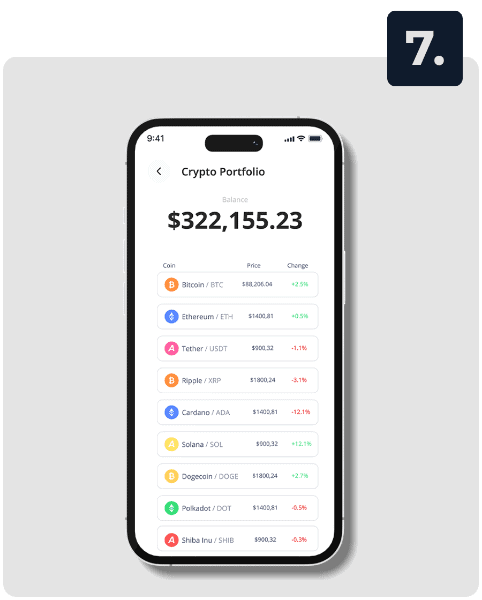
Your USDC is now in your Kraken wallet. You can hold it as a stable digital dollar, use it to buy other cryptocurrencies, transfer it to an external wallet for DeFi yield, send it internationally for near-zero fees, or convert it back to fiat at any time. USDC is available on 28+ blockchain networks.
What Is USD Coin (USDC)?
USD Coin (USDC) is a fully-reserved stablecoin pegged 1:1 to the US dollar, issued by Circle – a regulated financial technology company. USDC was launched in September 2018 through the Centre Consortium, a joint venture between Circle and Coinbase (NASDAQ: COIN). As of March 2026, USDC has a market capitalisation of approximately $60 billion, making it the second-largest stablecoin behind Tether (USDT) and one of the most trusted digital assets in the crypto ecosystem.
What sets USDC apart from other stablecoins is its transparency and regulatory compliance. Each USDC token is backed 100% by highly liquid cash and cash-equivalent assets. The majority of the USDC reserve is invested in the Circle Reserve Fund (ticker: USDXX) – an SEC-registered 2a-7 government money market fund managed by BlackRock, the world’s largest asset manager. Daily, independent, third-party reporting on the reserve portfolio is publicly available through BlackRock. Additionally, Circle publishes monthly reserve attestations conducted by Deloitte, one of the Big Four accounting firms.
Circle is a regulated financial services company with money transmitter licences across multiple US states and jurisdictions worldwide. In the European Union, USDC is fully compliant with the Markets in Crypto-Assets Regulation (MiCA), making it one of the only major dollar-pegged stablecoins available to EU users on regulated exchanges – a critical advantage as MiCA has led to USDT delistings across Europe.
USDC is natively supported on 28+ blockchain networks, including Ethereum, Solana, Base, Polygon, Arbitrum, Avalanche, Stellar, Algorand, and the XRP Ledger. This broad multi-chain availability means you can choose the network that best suits your needs – Ethereum for DeFi compatibility, Solana for speed and low cost, or Base for the Coinbase ecosystem.
USDC is not an investment designed to increase in value. It is a utility token – a digital dollar used for trading, cross-border transfers, DeFi lending, payroll, treasury management, and as a stable “parking spot” during crypto market volatility. Major institutions, payment processors, and DeFi protocols increasingly prefer USDC for its regulatory clarity and transparent reserve model.
USD Coin Market Overview
USDC is not a speculative investment – it is a utility token designed to hold a stable $1.00 value. Here are the key numbers to understand the scale and structure of the USDC market:
| Metric | Data (March 2026) |
|---|---|
| Current Price | ~$1.00 (designed to maintain 1:1 USD peg) |
| Market Cap | ~$60 billion |
| CoinMarketCap Rank | #5 – #7 |
| 24h Trading Volume | $10B – $15B |
| Circulating Supply | ~60 billion USDC |
| Max Supply | No cap – Circle mints and burns USDC based on demand |
| Peg Target | $1.00 USD |
| Reserve Backing | 100% cash and cash equivalents – primarily US Treasury Bills via BlackRock-managed fund |
| Reserve Auditor | Deloitte – monthly attestations (Big Four accounting firm) |
| Daily Reserve Reporting | Yes – via BlackRock (Circle Reserve Fund / USDXX) |
| Issuer | Circle (regulated, US-based fintech) |
| MiCA Compliant (EU) | Yes – USDC is available on all EU exchanges |
| Blockchains | 28+ – Ethereum, Solana, Base, Polygon, Arbitrum, Avalanche, Stellar, XRP Ledger, and more |
| Listed On | Virtually every major exchange – Kraken, Binance, Coinbase, OKX, Bybit, Gemini, etc. |
USDC Reserves & Backing – What Supports the $1 Peg
Each USDC token is backed 1:1 by reserves held in regulated US financial institutions. USDC’s reserve model is considered the gold standard for stablecoin transparency. Here is how it works:
| Reserve Detail | Status | What This Means |
|---|---|---|
| Reserve Composition | 100% cash & cash equivalents | Primarily short-term US Treasury Bills – no crypto, no gold, no risky assets |
| Reserve Fund | Circle Reserve Fund (USDXX) | SEC-registered 2a-7 government money market fund – managed by BlackRock |
| Daily Reporting | Yes | Independent third-party reporting via BlackRock, publicly available daily |
| Monthly Attestation | Deloitte (Big Four) | Monthly reserve attestations – stronger assurance than Tether’s quarterly reports by BDO Italia |
| Redemption | 1:1 for USD | Authorised institutions can mint or redeem USDC for dollars at any time via Circle Mint |
| Minting / Burning | On demand | New USDC is minted when dollars are deposited; USDC is burned when dollars are redeemed |
| Regulatory Status | Fully regulated | Circle holds money transmitter licences across US states and multiple international jurisdictions |
| MiCA Compliance | Yes | USDC is MiCA-compliant in the EU – available on all European exchanges without restriction |
Best Exchanges to Buy USDC in 2026
USDC is available on virtually every major exchange worldwide. Unlike USDT, USDC faces no MiCA restrictions in the EU – making it the default stablecoin for European users on regulated platforms.
| Exchange | Fee | Min. Buy | Payment Methods | KYC | Best For |
|---|---|---|---|---|---|
| Coinbase | 0% (USD → USDC is free) | $1 | Bank Transfer, Card, Apple Pay, PayPal (US) | Yes | Cheapest route – zero-fee USD-to-USDC conversion |
| Kraken | 0.16%–0.26% (spot) / 0.9% (instant buy) | $10 | Bank Transfer, Card, ACH, Apple Pay, Google Pay | Yes | US, UK, EU – strong security, stablecoin spot trading |
| Binance | 0.10% | $10 | Card, Bank, P2P, Apple Pay, Google Pay | Yes | Highest global volume; widest USDC trading pairs |
| Gemini | 0.20%–0.40% | $5 | Card, Bank Transfer, PayPal | Yes | US-regulated; SOC 2 certified security |
| OKX | 0.10% | $5 | Card, Bank, Crypto, P2P | Yes | Wide payment options globally |
| MoonPay / Ramp (on-ramp) | 1%–3.5% | $20 | Card, Apple Pay, Google Pay, Bank | Yes | Buy USDC directly to your wallet – no exchange account needed |
How to Store USD Coin Safely
Once you have bought USDC, where you keep it matters. USDC is available on 28+ blockchain networks, so choosing the right wallet and network combination is important.
Option 1 – Exchange Wallet (Convenient, Lower Security)
Your USDC stays in your Kraken, Coinbase, or Binance account. The exchange holds the private keys on your behalf. This is the most common option for active traders who use USDC as a trading base currency. Some exchanges offer yield on USDC holdings.
Option 2 – Software Wallet (Free, Self-Custody)
You control the private keys. Essential for DeFi access, cross-border transfers, and long-term holding outside exchange custody.
| Wallet | Type | Cost | Best For |
|---|---|---|---|
| MetaMask | Browser & Mobile | Free | USDC on Ethereum, Polygon, Arbitrum, Base – DeFi access |
| Phantom | Browser & Mobile | Free | USDC on Solana – fast, cheap transfers and Solana DeFi |
| Coinbase Wallet | Mobile & Browser | Free | Seamless USDC integration with the Coinbase ecosystem |
| Trust Wallet | Mobile | Free | Multi-chain USDC support – Ethereum, Solana, BNB Chain, Polygon |
Option 3 – Hardware Wallet (Most Secure, Recommended for Large Amounts)
Your private keys are stored on a physical device never connected to the internet. Recommended for storing significant amounts of USDC long-term.
| Device | Price | Best For |
|---|---|---|
| Ledger Nano X | ~$149 | Most popular – supports USDC on Ethereum, Solana, Polygon, and more |
| Ledger Nano S Plus | ~$79 | Budget option – same security, USB only |
| Trezor Safe 3 | ~$79 | Open-source, supports USDC on Ethereum |
Should You Hold USDC? Use Cases, Risks & Comparison with USDT
USDC is the most trusted stablecoin for institutions, businesses, and users who prioritise regulatory compliance and reserve transparency. While USDT has higher total trading volume, USDC has been gaining market share rapidly – particularly in the EU (where it is the only major dollar stablecoin available under MiCA) and in institutional use cases where audit-grade transparency is required.
Common Use Cases for USDC
| Use Case | How USDC Helps |
|---|---|
| Trading base currency | Many exchanges now offer USDC trading pairs – increasingly preferred over USDT for regulated platforms |
| Parking funds during volatility | Convert volatile crypto to USDC to preserve value without withdrawing to fiat |
| Cross-border payments | Send USDC globally in seconds via Solana or Base for under $0.01 – faster and cheaper than bank wires |
| DeFi yield | Lend USDC on Aave, Compound, Morpho, or Lido Earn for 3%–8% APY |
| Business treasury | Companies hold USDC as a programmable digital dollar for payroll, vendor payments, and treasury management |
| EU-compliant stablecoin | USDC is MiCA-compliant – the only major dollar stablecoin fully available to EU users on regulated exchanges |
Key Risks to Understand
- Depeg risk – in March 2023, USDC briefly fell to $0.87 after Silicon Valley Bank (which held ~$3.3 billion of Circle’s reserves) collapsed. The peg was restored within days after the US government guaranteed SVB deposits, but the event demonstrated that even transparent stablecoins carry banking system risk.
- Counterparty risk – USDC is issued by Circle, a centralised entity. If Circle faces legal, regulatory, or financial difficulties, USDC holders are exposed. Circle can also freeze individual USDC wallets when compelled by law enforcement.
- No yield by default – holding USDC in a wallet earns 0% interest. You need to actively lend or deposit USDC in a yield-generating platform to earn returns – which introduces smart contract and counterparty risks.
- Smaller market cap than USDT – with ~$60B vs USDT’s ~$140B, USDC has less total liquidity. On some smaller exchanges, USDC pairs may have wider spreads than USDT pairs.
- Regulatory dependency – USDC’s strength is also a risk: it is deeply integrated into the US regulatory framework. Changes in US policy, sanctions enforcement, or banking regulations could affect USDC availability or functionality.
How to Sell or Convert USDC
Converting USDC back to fiat currency or swapping it for other cryptocurrencies is straightforward. Here is the complete step-by-step process:
-
1
Log in to Kraken (or Coinbase)
Go to your Spot Wallet to confirm your current USDC balance. On Coinbase, USDC-to-USD conversion is free.
-
2
Choose “Sell” or “Convert”
To convert USDC to fiat (USD, EUR, GBP), go to the Sell section. To swap USDC for another crypto (BTC, ETH, SOL, etc.), use the Convert or Trade feature.
-
3
Select Your Output Currency
Choose what you want to receive – USD, EUR, GBP, or any cryptocurrency available on the exchange.
-
4
Enter the Amount
Type the USDC amount you want to sell or convert. The exchange will show the estimated output after fees.
-
5
Review and Confirm
Check the exchange rate, total amount, and fees. Click “Confirm” to execute.
-
6
Withdraw to Your Bank (if selling for fiat)
Your fiat balance appears in your account immediately. Go to Funding → Withdraw. US users: ACH or wire. UK users: Faster Payments. EU users: SEPA. Most withdrawals complete within 1–3 business days.
Questions & Answers

USDC is a dollar-pegged stablecoin issued by Circle, backed 100% by cash and US Treasury Bills. Each USDC is redeemable 1:1 for US dollars. Launched in 2018, it is the second-largest stablecoin by market cap (~$60 billion) and the most transparent – with monthly Deloitte attestations and daily BlackRock reserve reporting. USDC is used for trading, cross-border payments, DeFi, and as a stable store of value in the crypto ecosystem.
USDC is natively available on 28+ blockchains. For cheap, fast transfers: Solana (~$0.001, sub-second) or Base (Coinbase’s L2, extremely cheap). For maximum DeFi access: Ethereum or Arbitrum. For institutional use: Ethereum remains the standard. Always match the network you withdraw on to the network your destination wallet supports – sending to the wrong network results in lost funds.






Grow your portfolio.
Buy CRYPTO today